About
UBERGRAFF
Expanding the Code of Style
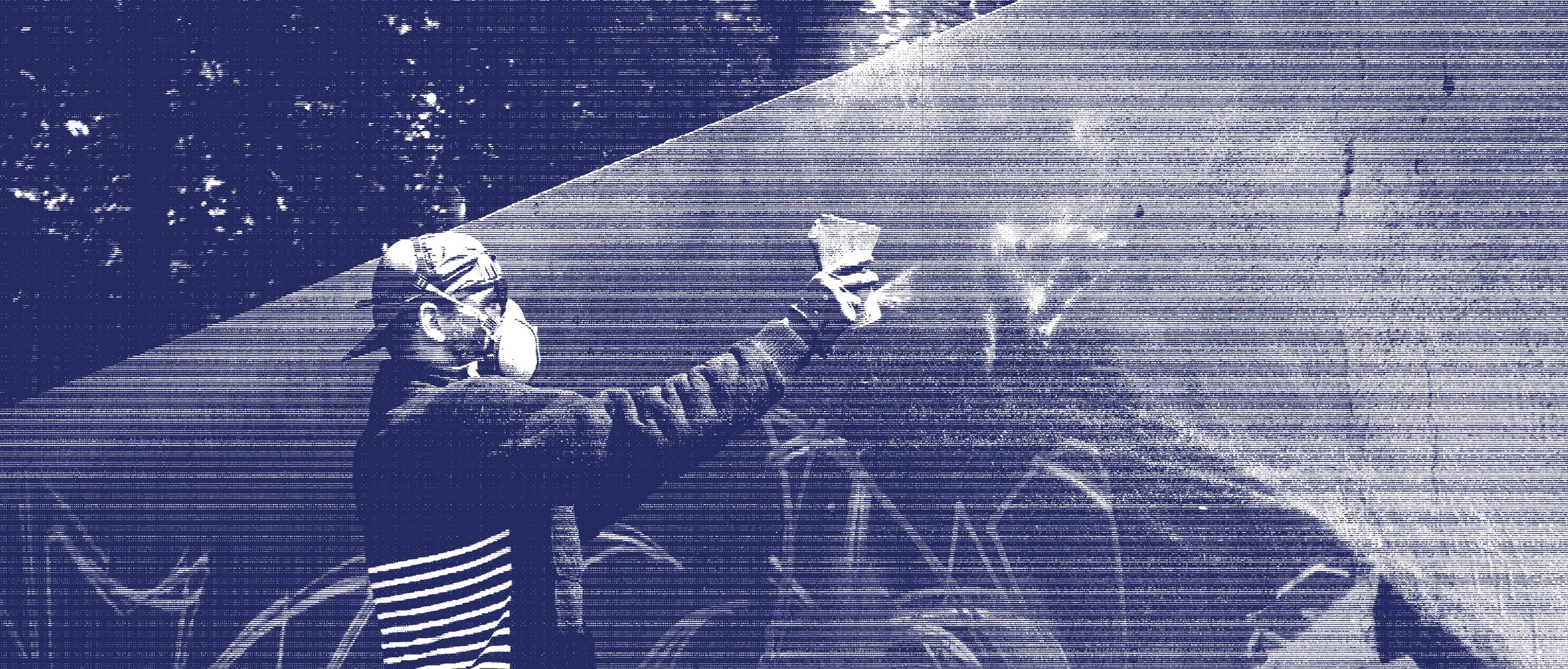
Ubergraff is RAW-ONE’s ongoing artistic inquiry into what happens when classical stylewriting crosses over into new dimensions. Emerging from the foundations of graffiti, Ubergraff explores the future of the form. This is where spray cans meet code, where pen plotters reinterpret outlines, and where generative AI contributes to a new grammar of style.
It is not just about new tools—it is about a shift in perspective.
What happens when stylewriting leaves the wall and enters digital space? When the tag becomes a dataset? When identity is fragmented and reassembled through algorithmic processes? Ubergraff is an exploration of these questions.
It is a practice of becoming—a morphing identity shaped by both human hand and machine logic.
RAW-ONE TNB * TDS
Aesthetics of Stylewriting – Between Legacy and Future
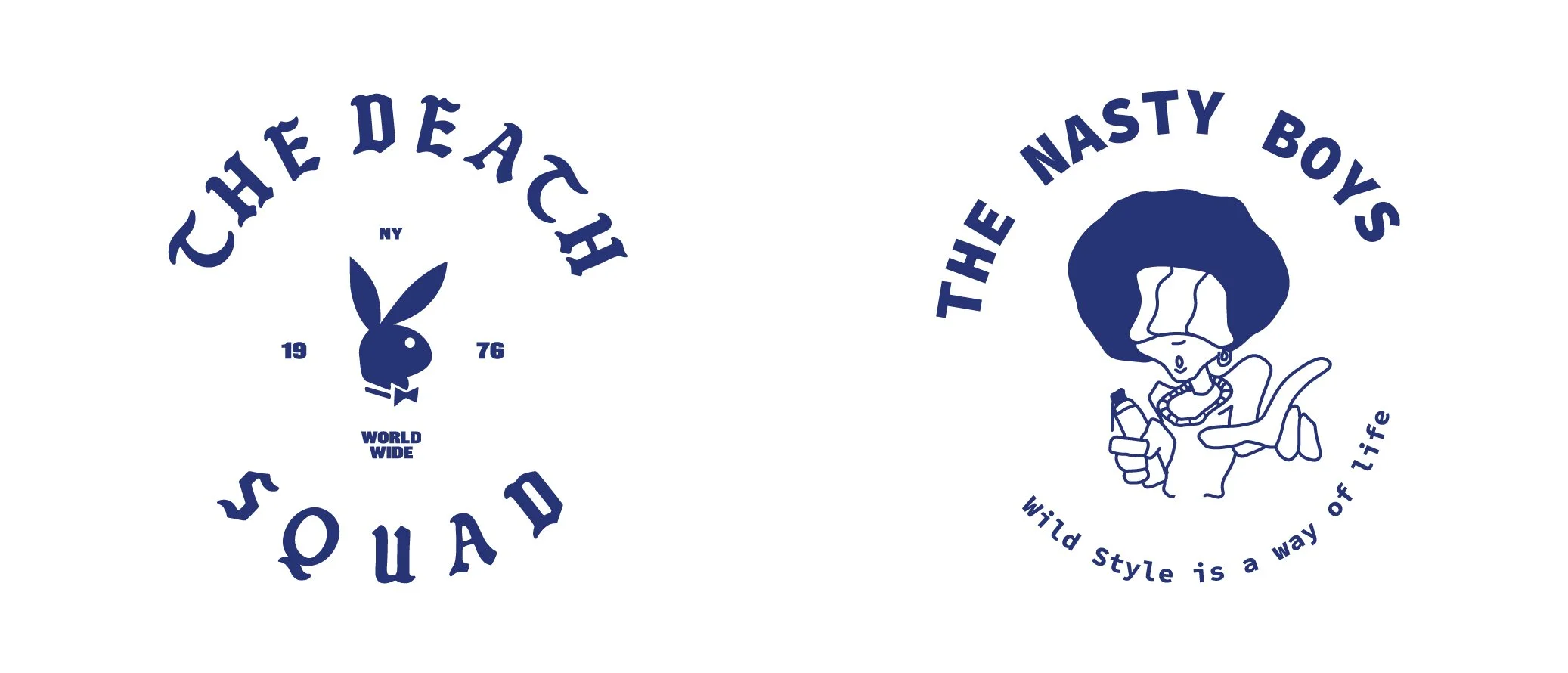
Based in Hannover, Germany, RAW-ONE is an internationally recognized artist whose creative journey began in 1996 and is deeply rooted in the legendary New York graffiti scene of the late 1980s. As a long-standing member of the iconic crews The Nasty Boys and The Death Squad, he sees himself as part of a lineage—a living continuum of stylewriting culture that informs and inspires his ongoing development as an artist.
His work orbits around the raw essence of letters. Letterforms are not just signs or carriers of meaning—they are identities in motion, visual archetypes shaped and reshaped through time. Whether rendered in bold, classical graffiti styles or deconstructed through experimental approaches, RAW-ONE’s pieces are an invitation to engage with form, rhythm, and the unspeakable energy of expression.
But RAW-ONE’s work doesn't stop at tradition—it extends it.
Art as Dialogue
The Personal and the Cultural
At the heart of RAW-ONE’s work lies a single, unrelenting question: Who are we, and who do we become in a world of accelerating narratives?
Each piece is a search for authenticity in a world shaped by culture, history, and increasingly digital experiences. Identity, in this context, is not static—it is relational.
The artworks offer Beziehungsangebote—invitations to enter into a relationship. Between artist and work. Between work and viewer. Between past and possible futures.
RAW-ONE’s art leaves traces. It inscribes questions about origin, presence, and self-creation. Whether on concrete walls, on steel panels, or within generative simulations, his pieces aim to spark reflection—sometimes subtly, sometimes viscerally.
You don’t always choose the dialogue. Sometimes the work chooses you.